Patients shouldn’t need to take additional steps to communicate with the practice, such as download an app or remember log-in credentials for the patient portal. Mobile devices are convenient, handy and the preferred communications method for an increasingly tech-savvy population.
A communications platform that includes secure photo and video capabilities reduces significant barriers between patient needs and provider time.
Telehealth visits comprised a tiny portion of total medical visits prior to the pandemic. After skyrocketing by a factor of 78 during the early months of 2020, telehealth usage remains 38 times higher than the pre-COVID-19 baseline. Going forward, patients expect synchronous video to continue as a viable provider/patient communication avenue.
Asynchronous communication through text or photographs can increase patient touchpoints and satisfaction while making the practice more efficient. A dermatologist can look at a patient-submitted photo and determine whether a skin condition is harmless or warrants an in-person visit. A surgeon can look at a photo of an incision and determine whether it is healing properly.
Asynchronous communications can also help patients manage their chronic conditions. When integrated with the practice management system, personalized and templated messages can be sent to certain patient cohorts at pre-determined times. A cardiologist, for example, can request blood pressure readings for at-risk patients, or a general practitioner can request blood glucose numbers for diabetes patients. If the numbers look good, the provider can send a positive note that encourages future compliance, while negative numbers may require an appointment.
Today, Secretary Becerra renewed the COVID-19 public health emergency (PHE) for an additional 90 days, effective April 16, 2022.
. Many of the waivers will remain in effect during this time. However, HHS is winding down other waivers, such as several flexibilities that were afforded in long-term care and other facilities. For more information on those waivers, please review CMS’ memo.
A communications platform with HIPAA-compliant texting can create efficiencies within the practice in numerous ways besides appointment reminders, allowing staff to have one-to-many asynchronous conversations rather than one-on-one phone interactions. Staff members and providers in the practice or in practices within the same ecosystem can also have secure, asynchronous text conversations by simply @mentioning individuals or team, with those conversations becoming part of the patient record.
Practices can use smart routing to direct incoming messages to the correct clinical, billing or front-office department to ensure no patient slips through the cracks.
How often do practices receive calls about directions, parking or practice policies? Templated responses answered by text rather than phone free up staff time and increase the percentage of on-time patient arrivals. One physician using a HIPAA-compliant, text-based communications platform reports that his practice has never had a patient miss an appointment or arrive late.
Onboarding and front-end practices also can be accomplished by text. Having patients complete and send pre-appointment forms ahead of time can make the visit go more smoothly. Practices want a platform that can track communications, so that only those who haven’t filled out pre-appointment paperwork, for example, receive reminders.
The Centers for Medicare & Medicaid Services (CMS) released new guidance that seeks to clarify requirements
for electronic funds transfers (EFT).
Although this guidance does not address all of MGMA’s questions and concerns (see MGMA’s letter to CMS), we are encouraged that CMS heeded our call to issue additional guidance and that CMS acknowledged in this guidance that a health plan may not adversely affect or attempt to adversely affect a provider, should a provider desire to receive EFT using a standard transaction
MGMA has voiced concerns to CMS that the business associates that health plans use to render payments to practices levy fees on the transaction. We are adamant that these ‘pay to get paid’ schemes are unacceptable and that CMS should prohibit these abuses. Although the guidance does not explicitly address these fees, it does clearly state that health plans cannot require providers to receive payment from its business associates. In essence, as we understand it, the fact that a plan cannot require a practice to agree to receive payment from its business associates should allow practices to forgo interacting with these vendors and thus avoid the fees.
MGMA is seeking further clarity on this guidance and stands firm on our belief that health plans and their business associates should be forbidden from levying these fees on medical groups.
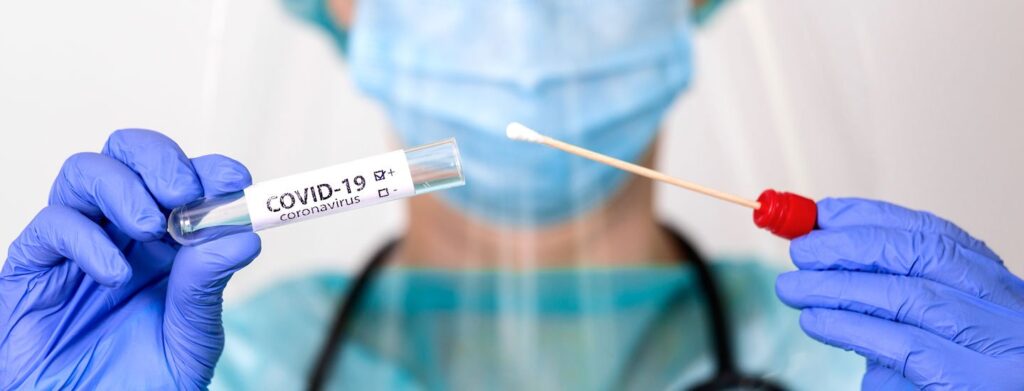
Beginning Monday, April 4, facilities testing for COVID-19 will no longer have to report negative results for tests authorized for use under a Clinical Laboratory Improvement Amendments waiver.





Recent Comments